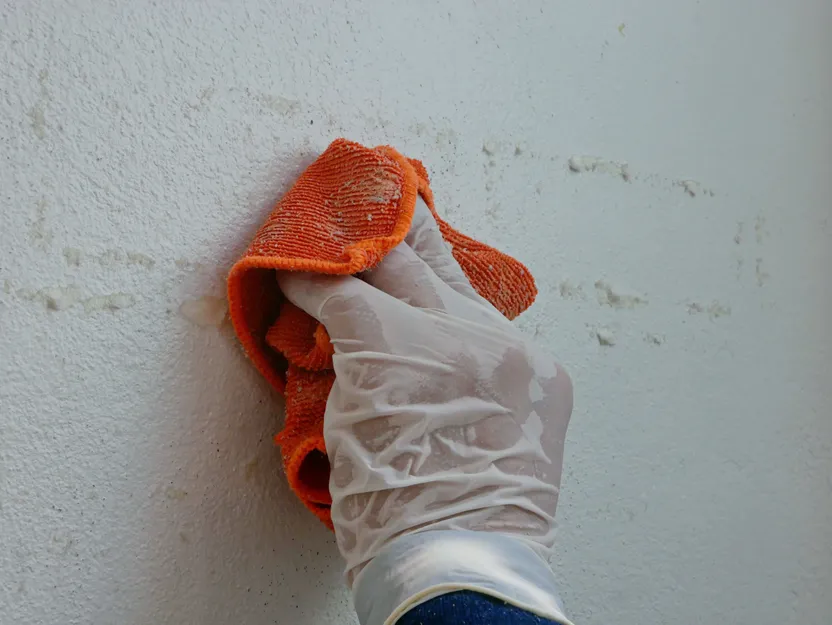
How to remove glue stains
'/%3E%3C/svg%3E)
Guide written on 6 February 2024 by:
Tess, painting & decorating consultant, Brighton
Important features
- Removing glue from wood
- Removing glue from fabric
- Delicate materials
- Different types of glue
Removing glue stains from different surfaces
Removing glue is always a delicate and tricky task. It may even appear that all is lost but don't worry: there are a few simple and effective solutions to tackle the issue. The method you choose will depend on:
the surface type: e.g. wood, plastic, glass, tiles, carpet, leather or natural fibres;
the type of glue: adhesive silicone, liquid glue, neoprene glue, sticker or tape marks.
Carpets
Removing glue from wood
Got your favourite waxed sideboard or teak garden dining set covered in glue stains? Don't panic! You do have a few options:
Bare wood: clean your wood using a cloth dipped in methylated spirit and sand down any remaining marks with some sandpaper.
Waxed wood: remove as much glue as possible using a scraper tool. You can then clean the stain using a sponge and the appropriate solvent before drying with a soft cloth. Sadly, you will usually have to refinish the surface, too.
Varnished or painted wood can be cleaned using a cloth dipped in vinegar then scrubbed with some fine wire wool.
Teak or other exotic woods: scrub the stain with the hard side of a scouring sponge some methylated spirit and finish by rubbing with some wire wool.
Scraper tools
Removing glue from fabric
There are several ways to remove glue from fabric.
Wool: use a cloth soaked in vinegar to rub the glue stain until the fabric is damp. You can then scrub gently using scouring sponge before placing the damaged item in the washing machine on the appropriate setting.
Delicate fabrics: for silk or satin, rub the glue stain gently using a scourer sponge. Place paper tissue over the stain and iron over it on a low setting. The heat should help to detach the glue from the fabric.
Synthetic fabrics, cotton and denim: remove as much dry glue as possible before rubbing a cotton pad soaked in vinegar over the stain and washing the item on a hot cycle.
Removing glue from delicate materials
Glass: scrape off as much glue as possible using a wooden or vitroceramic scraper so as not to scratch the glass then clean using a hot vinegar solution.
Plastic: sprinkle some scouring powder onto a damp cloth or sponge and rinse with clean water.
Wallpaper: remove excess glue carefully and sprinkle on some talcum powder. You can then place a paper towel on the stain and iron over it.
Lino or PVC flooring: use some warm soapy water and scrape using a vitroceramic scraper.
Tiles: scrub the stain with a scourer sponge and some methylated spiritbefore cleaning with soapy water.
Carpet or natural fibres: clean using a scouring sponge soaked in methylated spirit.
Skin: clean your hands using a cotton pad soaked in acetone. Repeat as many time as required.
Sandpaper
Removing different types of glue stains
Sticker or tape marks: scratch off as much sticky residue as you can using a soft scraper tool and apply some acetone or a special sticker remover solution and wipe with a soft cloth.
Neoprene glue: wet glue will come off quite easily using acetone. But if the glue is cured, it will be very hard to remove. You will generally have to use some sandpaper but beware: this can damage the rest of the surface.
Adhesive silicone: similarly, once this type of adhesive is cured it will be very hard and very difficult to remove. You can try to make the glue more flexible using a heat source before cleaning off residue with some acetone.
Liquid multi-purpose glue: for the best results, it's always best to try to liquefy the glue again. To do so, you can try using an iron or boiling water before applying a glue solvent, acetone or a generic stain remover.
You may be also interested in these guides
Guide written by:
Tess, painting & decorating consultant, Brighton
'/%3E%3C/svg%3E)